

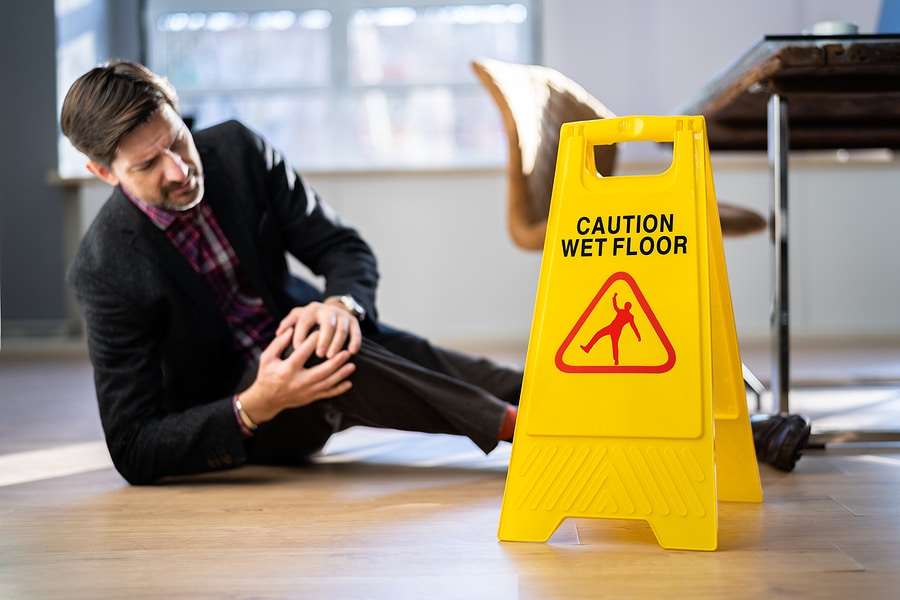
Slip-and-Fall Lawsuits in Florida: Proving Negligence on Property
A trip to the grocery store, a walk through a parking garage, or a stay at a vacation rental should never end in a trip to the emergency room. Yet, every year, thousands of Floridians suffer life-altering injuries—including broken hips, spinal damage, and traumatic brain injuries—due to “transitory foreign substances” or structural hazards on someone else’s property.
While many people view a slip-and-fall as a minor embarrassment, the legal reality in Florida is exceptionally complex. Under current Florida law, the burden of proof is heavily weighted against the victim. To succeed, you must navigate a minefield of “notice” requirements and recent political shifts that have made these cases harder than ever for plaintiffs.
Where Does Premises Liability Apply? (From Retail to Airbnb)
One of the most common questions we hear is: “Does this law apply to my specific situation?” In Florida, premises liability rules apply to almost any property where the owner or manager invites the public or a private guest.
1. Commercial and Retail Spaces
The most frequent sites for these lawsuits are high-traffic business establishments.
- Grocery Stores and Big-Box Retailers: Stores like Publix, Walmart, and Costco are governed by strict standards because they invite the public in for a business purpose.
- Resorts, Hotels, and Restaurants: These entities have an ongoing duty to inspect common areas, lobbies, and pool decks for spills or hazards.
2. Residential: Landlords and Airbnbs
The law also extends to where you live or stay, but the rules can vary:
- Traditional Landlord-Tenant: Landlords are responsible for the safety of “common areas” like stairwells, hallways, and parking lots. However, they are generally not liable for hazards inside your apartment that you created yourself.
- Airbnbs and VRBOs: Under Florida law, a short-term rental guest is classified as a “Business Invitee.” This gives you the highest level of legal protection. Because you are paying to be there, the host has a duty to not only fix known hazards but to actively inspect the property for hidden dangers before you arrive.
- Resort Communities: If you fall at a resort in Orlando or a beachfront condo in Miami, liability may lie with the property management company or the Homeowners Association (HOA).
3. Public and Government Property
- Schools and Public Sidewalks: These cases involve Sovereign Immunity (Florida Statute § 768.28). While you can still sue, there are strict caps on damages (currently $200,000 per person) and shorter notice requirements.
By the Numbers: Slip-and-Fall Data in Florida
Florida is a “hotbed” for premises liability litigation. To understand the scale, let’s look at how these cases fit into the broader legal landscape in 2025 and 2026.
Florida vs. The Nation
Recent data shows that Florida’s personal injury filing rate is significantly higher than the national average. In 2023, Florida saw roughly 28.3 personal injury cases filed per 100,000 people, which is over 1,200% higher than the national average.
Personal Injury Breakdown
While motor vehicle accidents remain the #1 type of claim, Premises Liability (which includes slip-and-falls) accounts for approximately 17% of all personal injury claims in the U.S.
| Claim Type | Percentage of Total Claims |
|---|---|
| Motor Vehicle Accidents | ~52% |
| Premises Liability (Slip/Fall) | ~17% |
| Medical Malpractice | ~15% |
| Other (Product Liability, etc.) | ~16% |
The “Senior” Statistic: In Florida, falls are the leading cause of injury death for Floridians aged 65 and older. Nearly 37% of fall-related injuries require medical treatment, with a disproportionate number occurring in retirement-heavy counties like Palm Beach and Miami-Dade.
The Legal Foundation: Florida Statute § 768.0755
The cornerstone of every slip-and-fall case in Florida is Florida Statute § 768.0755. This law specifically addresses “transitory foreign substances”—liquids, debris, or any temporary hazard on the floor of a business.
Actual vs. Constructive Notice:
- Actual Notice: The owner knew about it (e.g., an employee saw the spill but didn’t clean it).
- Constructive Notice: The owner should have known about it because the hazard was there for a long time or happened regularly.
The 2026 Political Landscape: HB 837 and the 51% Bar
In 2023, the Florida Legislature passed HB 837, a sweeping tort reform bill that continues to redefine litigation in 2026.
The Modified Comparative Negligence Trap
Perhaps the most significant change is the move to modified comparative negligence. Now, if you are found more than 50% at fault, you are barred from recovering a single penny. Insurance companies now use “distracted walking” (looking at a phone) as a primary defense to aim for that 51% fault finding.
Negligent Security Reform
HB 837 also created a “presumption against liability” for apartment owners in cases of criminal acts if they implement specific security measures like cameras and lighting.
The Two-Year Countdown
One of the most dangerous traps for Florida victims is the shortened Statute of Limitations. As part of the tort reform era, the time you have to file a negligence-based lawsuit was slashed from four years to two years.
If you do not file your lawsuit within two years of the date of the fall, your right to sue is permanently lost.
Conclusion: Why You Need Legal Advocacy
Proving negligence in a Florida slip-and-fall is an uphill battle. Property owners have massive insurance teams dedicated to proving that they had no notice of the hazard or that you were the primary cause of your own injury.
With Statute § 768.0755 requiring proof of knowledge and HB 837 creating a “winner-take-all” 51% fault threshold, these cases require early, aggressive investigation.
References for Further Reading: